Protect quality
Identify and contain non-conforming material before it reaches the next stage.
JOB CONTRACT SOLUTIONS
Keep quality consistent, materials moving and your team focused.


Solution scope
Our production support outsourcing covers specific functions within your operation. We agree what the work involves, how it connects to other teams and how results will be assessed.
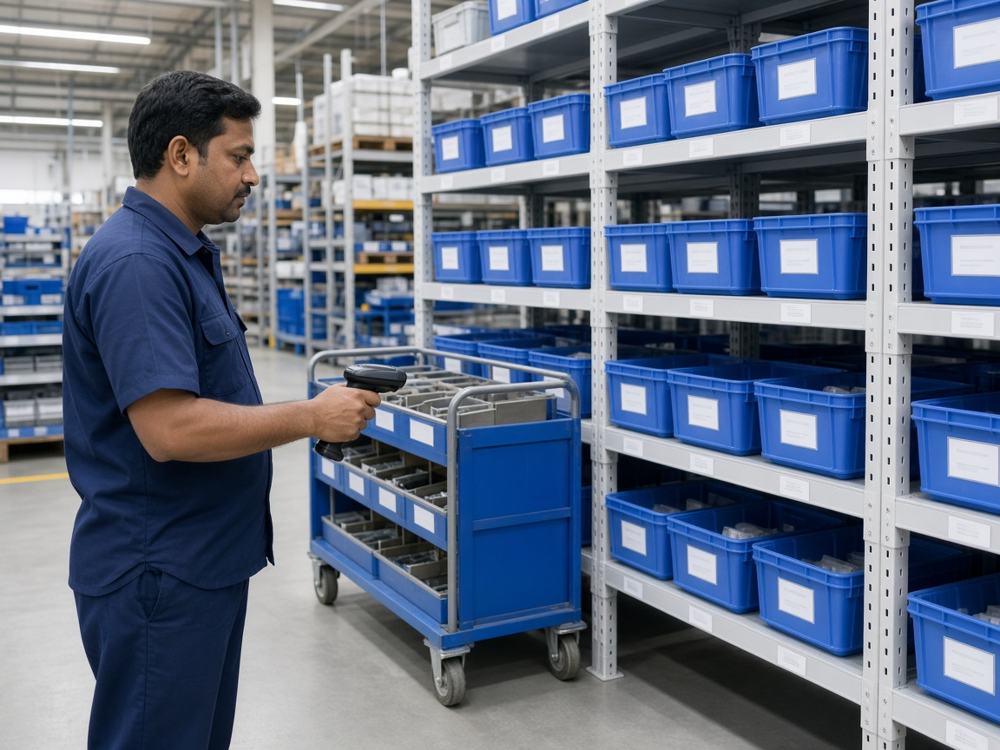
We manage receiving, binning, kitting and line feeding within the agreed scope. Controls include one-part-one-location discipline, first-in-first-out rotation, two- or three-bin systems, stock classification and barcode or QR traceability, aligned with your inventory systems.
Our quality inspection outsourcing covers incoming parts and aggregates, inspection records, segregation of rejected lots and supplier follow-up. Teams check dimensions and material reports against approved requirements, with corrective and preventive action to address recurring issues.
We execute defined inspections, record defects and feed findings back to the relevant teams. Standard operating procedures, layered audits, failure mode and effects analysis (FMEA) and mistake-proofing support consistent checks and process improvement.
For automotive applications, teams carry out agreed static and functional checks, including checks around body fitment. Defects are recorded by vehicle and system, corrective actions are tracked, and acceptance follows the customer’s specified criteria.
Where included in the engagement, diagnostic engineers support vehicle issues outside the dealer network. The scope can cover fault diagnosis, on-site coordination, spare-parts support, escalation and feedback to customer engineering teams.
Operating model
Layam works as a company within your company for the contracted function. An embedded team manages the work against your requirements, with clear responsibilities at each point of handover.
The agreed facility, infrastructure, materials, product requirements, technology and overall operating strategy.
Process execution, team deployment and supervision, quality within the agreed scope, reporting and corrective action.
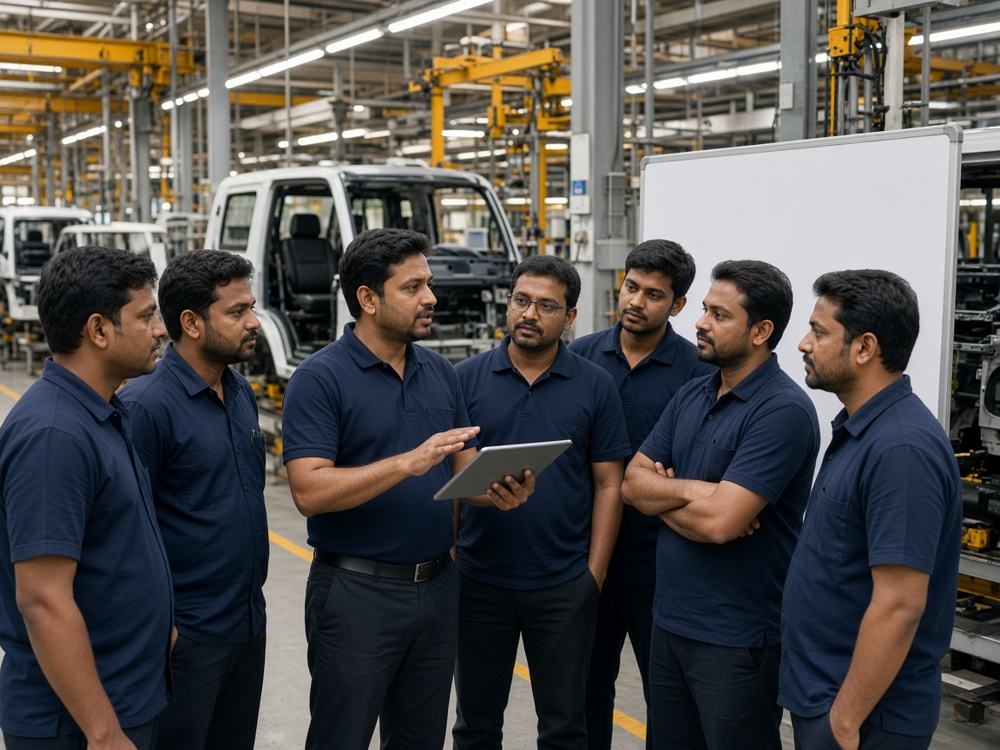
Layam’s “Brain Count” approach uses a scope-specific competency matrix to match technical skills to tasks, supported by induction and skill development.
An embedded manager coordinates delivery, supported by HR and safety roles as the engagement requires. Daily reviews identify shortfalls and assign corrective actions.
Daily management reports track adherence and quality. Monthly service-level agreement (SLA) reviews assess results, recurring issues and improvement actions.
Biometric or app-based attendance feeds payroll processes, supporting accurate records and consistent administration.
Personnel checks, site orientation and maintained wage, attendance and statutory records support the agreed compliance responsibilities and audit requirements.
Case study
Result specific to this client engagement.
Industry applications
Every industry has different materials, quality requirements and operating pressures. The applications below show how a Job Contract scope can be shaped around those needs, subject to the required capabilities and agreed responsibilities.
Support production with the right parts and checks. Incoming-part inspection, stores, kitting, line feeding, pre-delivery inspection and vehicle validation connect material readiness with defined quality gates. Technical field support can extend follow-through beyond the plant.
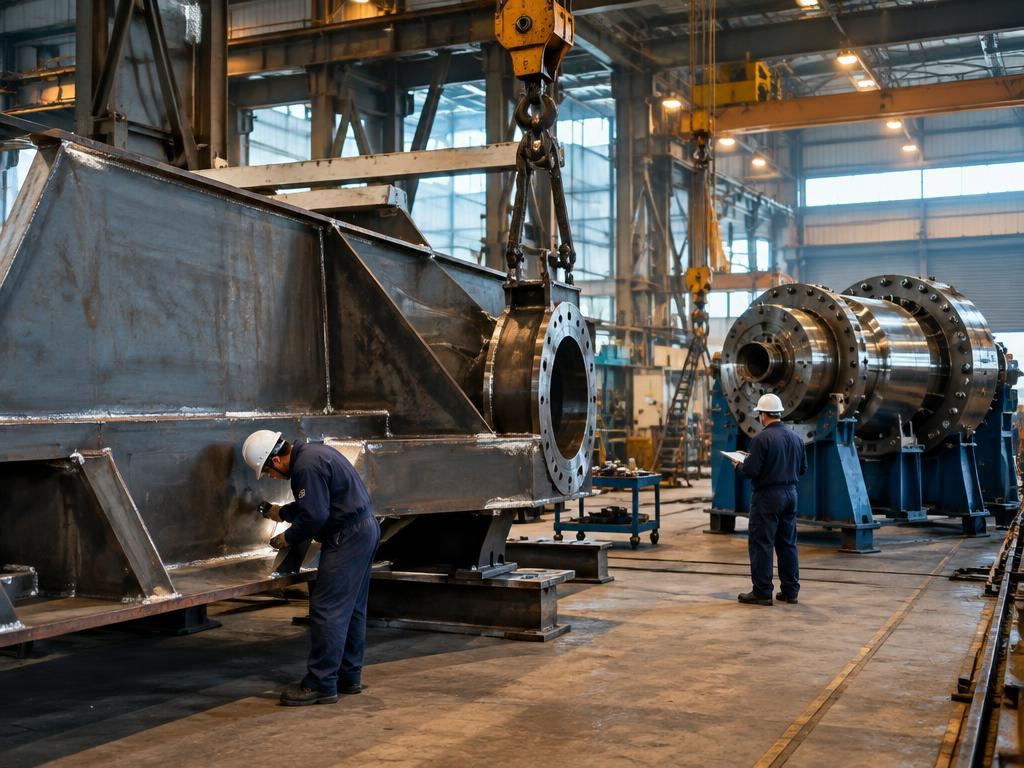
Control complex materials and inspection requirements. Stores, material identification, quality checks and inspection records support equipment and project requirements. In shipbuilding environments, the scope follows site-specific procedures, technical documentation and safety controls.
Protect component identity through each handover. A defined scope can cover incoming-component checks, controlled storage, kitting and inspection records. Part identification, traceability and customer-approved handling procedures help address mix-ups and non-conformance before the next stage.
Maintain accuracy across high-volume operations. Job Contract applications include packaging-material stores, line replenishment, pack and label checks, and finished-goods movement. Clear controls help teams manage multiple product variants, stock rotation and dispatch requirements.
Trace each batch through the agreed process. Defined work packages can cover ingredient and packaging-material stores, batch identification, stock rotation and packaging checks under the client’s food-safety procedures. The focus is disciplined handling and documented checks through each agreed stage.
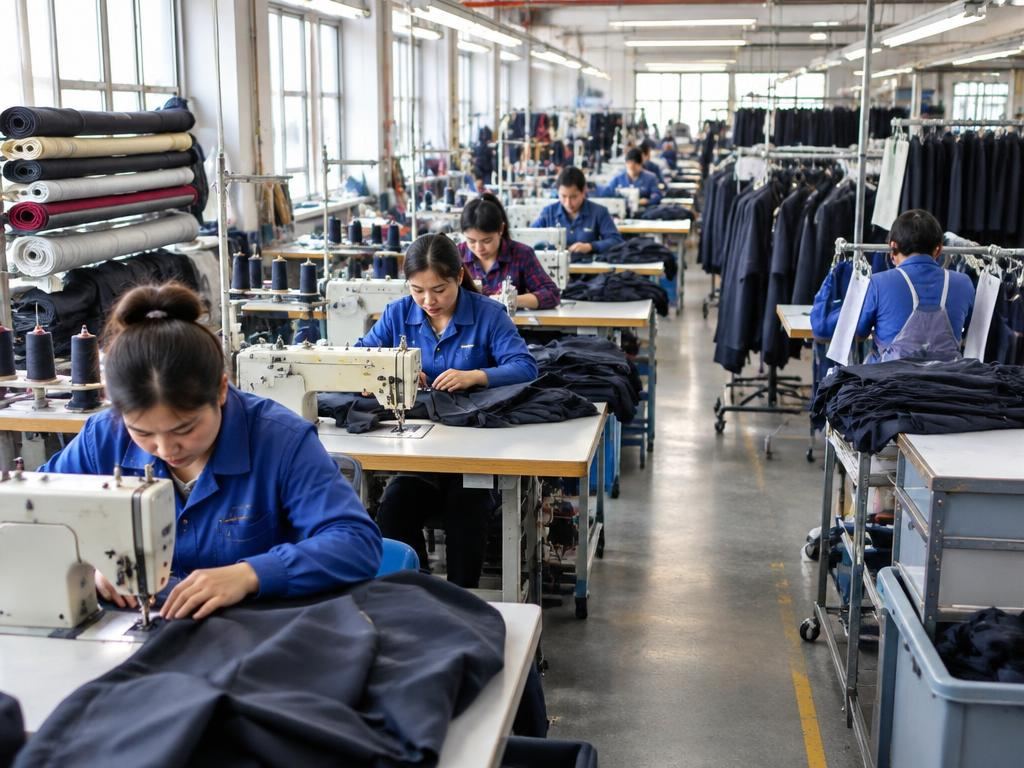
Match materials and quality checks to each order. Applications include fabric and trim stores, issuing materials by order, garment checks against buyer specifications, and packing verification. Clear identification and inspection records support consistent handovers across styles, sizes and orders.
Make each stock movement traceable. Defined warehouse-side processes can cover receiving, put-away, inventory checks, picking, packing and dispatch handovers. The focus is stock accuracy, shipment readiness and clear records at each transfer point.
Bring control to equipment and spares movement. For IT organisations managing physical equipment and spares, a Job Contract scope can cover receiving, stores, issue and return records, and inventory verification. Responsibilities are defined around asset traceability and approved handling processes.
Connect field execution with material control. Stores and inventory control, field mobilisation, meter installation and quality audits can be structured around agreed project requirements, with defined reporting and escalation responsibilities.







Frequently asked questions

Within Layam’s portfolio, Job Contract manages defined support functions such as quality inspection, stores and logistics. Contract Manufacturing manages agreed manufacturing or assembly operations and their production output. The distinction is the work being owned, with the precise scope and accountability set out in the agreement.
Yes. The scope can focus on one function, such as incoming quality, stores or pre-delivery inspection. For businesses considering plant operations outsourcing, this allows a focused engagement with defined inputs, handovers and acceptance criteria.
Share the function, site location, operating hours, work volumes, technical requirements and current process issues. We also review the required supervision, systems, equipment and performance measures. These inputs shape the delivery scope and commercial proposal.
The plan depends on the location, skills required, scale of work and site readiness. The mobilisation plan covers competency assessment, induction, process familiarisation and handovers. The start date and ramp-up plan are established for the specific engagement.
Yes. Delivery is aligned with your approved specifications, operating procedures and acceptance criteria. Any process changes, additional controls or inspection requirements are agreed with your team so that the contracted function fits the wider operation.
The inspection plan defines which items and characteristics are checked, at which stage and against what acceptance criteria. Whether checks cover every item or use an agreed sampling approach depends on the product, risk and customer requirements. The inspection approach is agreed before work starts.
Teams record the issue, segregate non-conforming material where relevant and escalate it through the agreed route. Corrective and preventive actions address the cause, with follow-up through the relevant quality or process checks.
Daily management reports provide visibility into agreed quality and process measures. Monthly SLA reviews assess results and corrective actions. Where a performance-linked debit mechanism is agreed, shortfalls are investigated and responsibility established before the contract terms apply.